Cases, Logistics and bulk storage, Manufacturing
Improve turnaround times at multiple tank storage terminals
Aug. 26, 2025
The challenge
A leading tank storage company was experiencing inefficient use of jetty and loading capacity. Vessels, barges and trucks were lying or standing idle for too long - not because of pumping itself, but because of delays in the approach and handling phases. This created waiting times, loss of capacity and unused planning space on both the jetties and truck loading zones.
Our approach
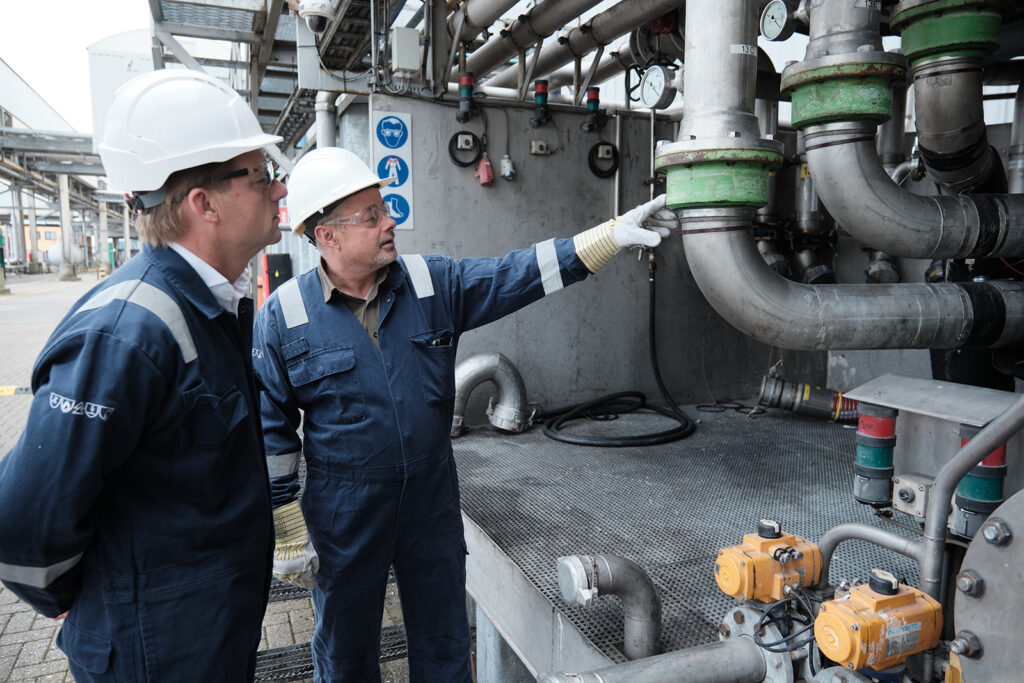
To get to the root of the problem, we conducted an integrative analysis where we literally and figuratively walked along in the operation. We have:
-
Walked with operators in the field and in the control room
-
Gained insight into the processes at Customer Service
-
Interviews conducted with key people in operations, maintenance, planning and logistics
-
Consultations assessed for effectiveness and cooperation
-
In-depth data analysis done of arrival, start, pump and departure times
-
Organized a working session with all disciplines involved to identify the current process and areas for improvement in it
Insights
The analysis revealed that unnecessary delays occurred especially in the pre-pump and post-pump phases of ships and barges, and in the entry and exit process of trucks. The potential? A lead time reduction of about 20% in these phases, with direct impact on infrastructure availability and utilization.
Recommendations and improvement initiatives
Based on these insights, a targeted approach was formulated, spearheaded by:
-
Standardizing processes around run-up and handling
-
Sharing and securing best practices and work instructions
-
Training employees to strengthen knowledge, behavior and cooperation
- Improve operational planning to provide insight into the entire operations workload so that priorities can be better prioritized and a reliable promise can be made to the customer
-
Data-driven improvement, using real-time and historical data in daily and weekly evaluations
The result
The approach forms the basis for structural improvements in operations. With relatively simple but well thought-out interventions, room is created to process more cargo per day, reduce waiting times and strengthen cooperation between departments. In the follow-up process, work sessions will be used to create, standardize and train the future state process and planning tool so that everyone is able to further improve the results. The approach will also lead to collaborative improvement and thus better cooperation in and between teams. The next 2 terminals are already scheduled to perform the same analysis and improvements!